
Check out NCSF’s Amplify Voices project!
The Transgender Awareness Flag is also known as the Trans Pride Flag. It was created in 1991 by Monica Helms, an American trans woman, activist, veteran and author. The first time the flag was flown publicly was at the 2000 Phoenix Pride parade.
What does the Trans Pride Flag represent?
The Trans Pride Flag is a symbol that represents transgender pride and visibility. It also serves to represent the transgender community as a whole.
The Trans Pride Flag represents a call for transgender rights, acceptance, and equality. It further serves as a symbol of resistance against discrimination, prejudice, and violence that transgender people so often encounter. Showcasing the flag can start crucial conversations, educate others about the spectrum of transgender experiences, and promote overall empathy and understanding.
Explanation of the elements of the Trasgender Pride Flag:
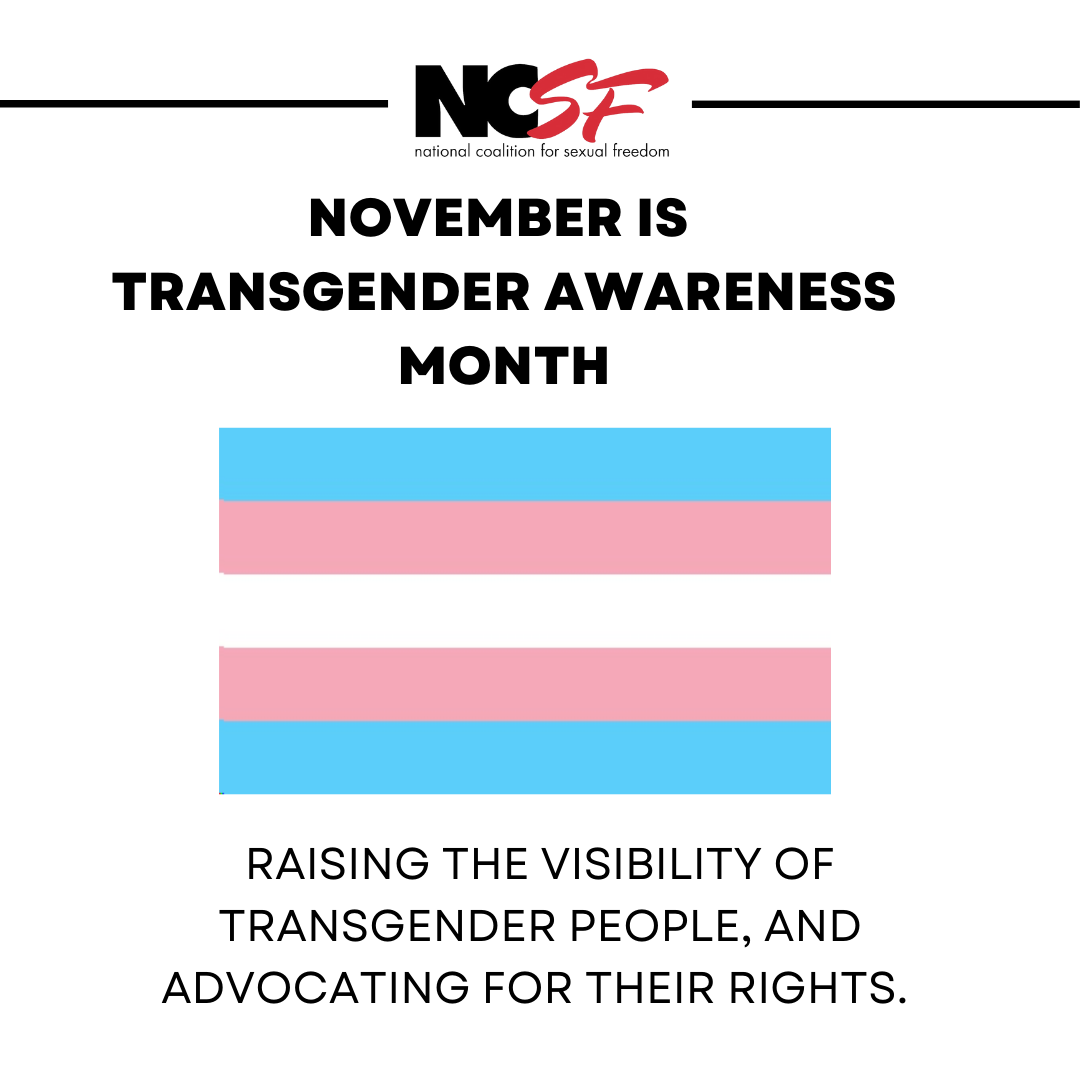
The flag is composed of horizontal stripes in light blue, light pink and white. There are five stripes in total.
What the colors represent:
- Light Blue stripes on the flag represent the masculine side of transgender individuals and also the modern day traditional color for baby boys
- Light Pink stripes on the flag represent the feminine side of transgender individuals and also the modern day traditional color for baby girls
- The single White Stripe in the center represents individuals falling outside of any traditional notions of gender or those who are currently transitioning. It can also be symbolic for people who are intersex or people who don’t identify as having a defined gender.
The original Trans Pride Flag appears to be held in the Smithsonian Museums collection within the National Museum of American History. A miniature version is also held in that same collection.